
It has been fifty years since the late Judge Orrin G. Judd of the United States District Court of the Eastern District of New York signed the Willowbrook Consent Decree on April 30, 1975, and essentially ordered the closure of the New York State institution Willowbrook State School for the Mentally Retarded (aka Willowbrook). Willowbrook had been under public scrutiny since 1965 when then New York State Senator Robert F. Kennedy Sr. had visited the facility and called it a “snake pit.”
The Willowbrook Consent Decree provided guidelines and requirements for standards of care at Willowbrook. Furthermore, due to the crowded and inhumane conditions and chronic underfunding by the New York State Department of Health, Appendix A in Section V(9) of the Decree stated: “The primary goal of Willowbrook and of the Department shall be to ready each resident, with due regard for his or her own disabilities and with full appreciation for his or her own capabilities for development, for life in the community at large.” This ultimately resulted in the closure of the Willowbrook State School.
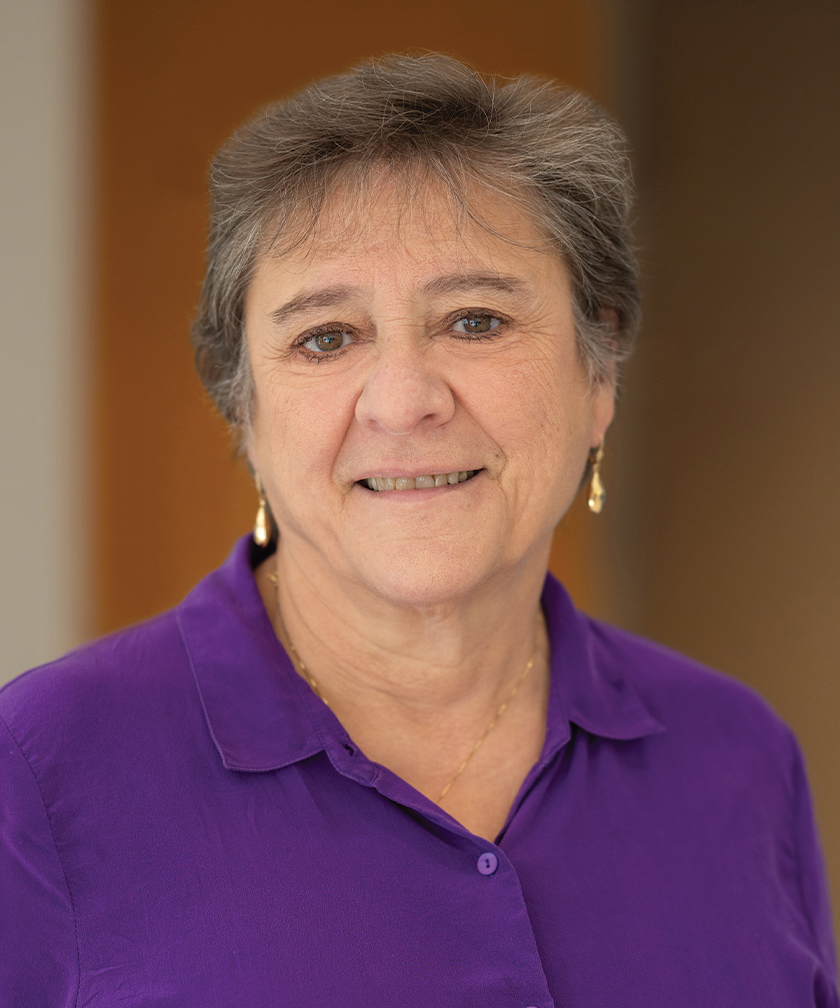
It just so happened that in November 1975, I began my professional career as a social worker in the field of intellectual and developmental disabilities (IDD). Twelve years had passed since President John F. Kennedy signed the Mental Retardation Facilities and Community Mental Health Center Construction Act (P.L. 88-164), also known as the Community Mental Health Act. Yet, many children and adults with IDD had no programs, and essentially stayed home 24 hours, 7 days a week. But it was a time of change and hope for the future of all people with developmental disabilities—both children and adults. The Community Mental Health Law from 1963 ultimately evolved into the Developmental Disabilities Act (DD Act) and the 1990 Americans with Disabilities Act (ADA), signed by President George H.W. Bush. The DD Act was then reauthorized by President William Jefferson Clinton in 2000 and signed by President Joseph Biden in 2024. It was this legislation that ultimately created the programs within the Administration for Community Living (ACL) that are critical to the support and wellbeing of all people with disabilities.
ACL programs include the University Centers for Excellence in Developmental Disabilities (UCEDDs) as well as State Councils on DD and State Protection and Advocacy Programs.
Other very important U.S. Department of Health and Human Services (HHS) federally supported programs are the Leadership Education in Neurodevelopmental and Related Disabilities Programs (LENDs) under the Maternal and Child Health Bureau (MCHB) that were created in recognition of the fact that graduate-level training is needed to build the next generation of clinical, research, and community leaders. Finally, in 1962 in recognition of the need for quality research in intellectual and developmental disabilities, the Eunice Kennedy Shriver National Institute of Child Health and Human Development within the National Institutes of Health Interdisciplinary Developmental Disabilities and Programs under the National Institutes of Health Research established Intellectual and Developmental Disabilities Research Centers (IDDRCs) to advance the understanding of the biological and neurological basis of IDDs as well as the development of treatments for a variety of conditions related to IDDs.
In the Bronx we were (and remain) working with individuals with IDD and family members along with staff at Bronx Developmental Services (now the Office for People with Developmental Disabilities (OPWDD)) and staff from voluntary not-for-profit organizations to expand community services. This community-based model of care was replicated across the State of New York. We worked with families and individuals living in the Bronx community as well as those individuals who were being resettled into the community from Willowbrook and other state schools. It was an amazing time in which other legislation passed, such as the Rehabilitation Act of 1973, including Section 504 specifically, a federal civil rights law that protects qualified individuals from discrimination based on their disability. In 1975, the Individuals with Disabilities Education Act (IDEA) passed and for the first time guaranteed a free and appropriate education for children with disabilities from birth to 21 years of age. Section 504 was expanded in 2024 to include civil rights protections for people with disabilities to address discrimination in medical treatment, adding enforceable standards for accessible medical diagnostic equipment, and ensuring accessible web content and mobile apps.
It took over fifty years of hard work to break down barriers to care and build the current system of services and laws to protect this vulnerable population. But this effort must continue.
(Listen to a video of mothers who continually advocated for services and were always worried about the termination of services for their sons and daughters with IDD)
In addition to the legal accomplishments of the past 50 years, the most important expansion of services has been the ability to provide care through Medicaid and its waivers that enable people to have choice and remain living in the community and not be relegated to institutional based care.
Medicaid is a lifeline. It supports programs and services for our most vulnerable people across the lifespan:
- EARLY INTERVENTION: Medicaid-funded early intervention programs help infants and toddlers with disabilities get a healthy start through speech therapy, physical therapy, occupational therapy, family-centered therapies, and more. The workforce crisis is currently impacting Early Intervention services.
- EDUCATION: Medicaid supports students with disabilities through Early Childhood Medicaid-funded, school-based physical, mental, and behavioral health care that children with disabilities need in order to learn and thrive. School Health Care under Medicaid is the primary source of public health insurance for people with disabilities.
- DAILY LIVING: Medicaid-funded Long-Term Services and Supports (LTSS) assist people with disabilities in a broad range of essential activities like eating, taking medication, bathing, dressing, getting in and out of bed, and cleaning. Direct support staff wages are so low that there is a critical workers shortage.
- COMMUNITY SUPPORT: Medicaid-funded Home and Community-Based Services (HCBS) provide people with disabilities the support they need to live and participate in their communities, instead of being isolated in institutions or nursing homes. Employment and day programs and housing such as group homes are all supported through HCBS waiver programs.
- EMPLOYMENT: Medicaid-funded employment programs provide job training, placement, and other supports to help people with disabilities find and maintain employment.
- ESSENTIAL CLINICAL SERVICES: Medicaid provides critical resources, evaluations, and therapies to support the health, safety, and independence of people with disabilities, including wheelchairs, prosthetics, prescription drugs, assistive technology, and more.
We all must protect Medicaid from any cuts and caps. As some self-advocates have stated, “Medicaid is not a handout, but a hand up.” Our society has come so far. Over the past fifty years, I have witnessed first-hand the advancement of the lives of people with IDD, from deinstitutionalization to community living, from warehousing people like animals to respecting the individual voices of self-advocates, from lack of educational protection to IDEA and career and life planning. Never did I imagine we would achieve so much. But there still is much needed in order to break down invisible barriers and stigma that still exist today. We must continue to move forward and prioritize the protection of civil and human rights for the most vulnerable of our citizens.
Submitted by Joanne Florio Siegel, ACSW, LCSW
 AUCD Policy Talk